
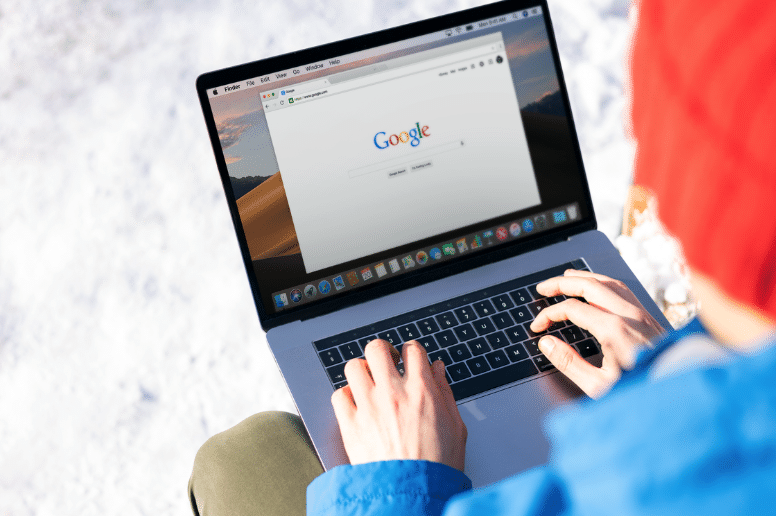
Gen Z does not separate “AI” from “normal life.” For this generation, AI is not a novelty layered onto their routine. It is the routine. That distinction matters for beauty brands trying to earn their attention, their trust, and eventually their loyalty.
They Research Differently, and They Trust Differently
Gen Z consumers already treat AI tools as a primary discovery channel, not a backup option. They ask ChatGPT to compare skincare ingredients. They ask Gemini which foundation shade matches their undertone. They trust AI-generated answers the way older generations trust a friend’s recommendation.
This is not a passing trend. 62% of consumers now say they trust AI for brand decisions, and that number skews higher among younger cohorts raised on instant, personalized answers. If your brand does not show up credibly in those answers, you are invisible to a significant share of your future customer base, no matter how strong your Instagram presence looks.
They Expect Transparency About What Is Real
Beauty brands have moved fast on AI-generated creators and virtual influencers, with adoption in beauty and personal care outpacing fashion and luxury. Speed has outpaced trust. Younger consumers, who pride themselves on spotting inauthenticity instantly, remain skeptical of brand partnerships with AI-generated personas.
Gen Z does not reject AI. They reject brands that use AI without disclosing it. The expectation is not “never use AI creators.” The expectation is “tell me clearly when you do.” Brands that blur that line risk a credibility hit that is hard to recover from, especially in a category built on trust between skin, body, and product.
They Want Proof, Not Polish
Gen Z beauty consumers resist overproduced marketing. They want dupes called out, ingredient lists explained honestly, and reviews shown in full, negative ones included. This generation assumes a brand’s own claims are marketing. What they trust is third-party validation: press coverage, independent reviews, dermatologist commentary, and what AI platforms say about a brand when nobody is prompting for a sales pitch.
This is why earned media matters more now, not less. The majority of what AI platforms cite when answering beauty and lifestyle questions comes from earned coverage rather than brand-owned content. Gen Z’s instinct to trust independent voices over branded ones lines up with how AI search engines are built to prioritize sources.
What This Means for Beauty Brands
Winning Gen Z in an AI-first world takes three things. A credible footprint of third-party press and expert validation, because that is what both Gen Z and AI platforms are actually reading. Full transparency anytime AI-generated content, creators, or personas are part of the marketing mix. And an understanding that this generation tests brand honesty in real time, across every channel, including the AI tools they consult before they purchase from you.
Brands that treat AI visibility as an extension of reputation management, not a marketing gimmick, are the ones Gen Z trusts. Brands that treat it as a shortcut are the ones Gen Z calls out.
Gen Z is not anti-AI. They are anti-fake. Brands that understand the difference earn a level of loyalty this generation rarely gives easily.
Want to know how your brand actually shows up to Gen Z across AI platforms? Reach out to RED@red-pr.com for a GEO audit and find out where you stand.