
RED PR BLOG
RED PR Wins the SABRE Award for Superior Achievement in Reputation Management
RED PR, on behalf of Aveda Arts & Sciences Institutes, is the winner of the 2023 North American SABRE Awards for Superior Achievement in Reputation Management. The SABRE Awards are one of the highest honors in the communications industry and receive over 2,000...
Artificial Intelligence Is Here to Stay & What It Means for Beauty, Fashion and Lifestyle PR
By: Samantha Gonda Like many parents, my father likes to share articles he finds that remind him of me. These can range from a new makeup product, a movie review, or any news on the media or public relations industry. Several weeks ago he shared an article with me...

Top 10 Festive Things To Do in NYC During the Holidays
Do some holiday shopping before checking out Bergdorf Goodman’s Holiday Window display. Get in a quick workout by figure skating at the Bank of America Winter Village. Witness the magic of the tree at Rockefeller Center. Curl up with a cup of thick hot chocolate from...
BELLISSIMA & BY NATURE SIGN WITH RED PR
RED PR is wrapping up 2022 with a bang after signing two new international clients. RED PR is now the US agency of record for Bellissima Hair Tools and By Nature Skincare. Bellissima Hair Tools is an Italian hair brand dedicated to providing high-end professional...
A Guide to Affiliate Marketing: Turning a Small Budget Into Big Profits
Affiliate marketing, which has existed for years, has recently become an essential tool for securing publicity. Any company with an e-commerce website needs to be on an affiliate platform to compete in today’s marketplace. From a PR standpoint, it’s necessary to even...
22 Fun Facts About RED PR
In Celebration of 22 Years of RED PR... RED PR was founded on September 15, 2000 in New York City. That makes RED PR a Virgo, known for being practical, sensible, loyal, and industrious. Julia launched RED before she was 30. By that time, she'd worked at CBS News,...
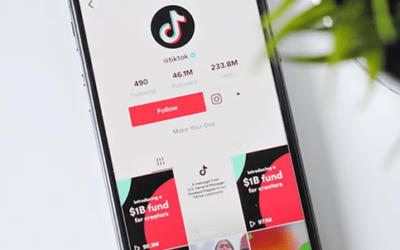
3 Proven Ways to Increase Brand Awareness Through TikTok
In our last blog post, A Simple and Useful Breakdown of Why You Should Be Investing in TikTok Marketing, we dove into the reasons why marketing on TikTok can provide a substantial ROI (given a well-thought-out strategy). Now, we’re going to get into the details of how...

Why You Should Be Investing in Marketing on TikTok in 2022-23
Six years ago TikTok launched, thus forever changing the lucrative and fast-paced game of social media marketing. While many were quick to laugh at the latest social platform, with over 3.5 billion downloads as of January 2021 and US users spending an average of 38...
Jules’ Rules: 5 Life Lesson’s from RED PR’s Founder
Age is a mindset. You’re only as old as you feel. Seek and experience wonder that blows your mind. Leave your comfort zones. Continue learning. Read. Explore. Ask questions. Curiosity didn't kill a cat; it keeps you young. (Caveat: There is truth to age-appropriate...
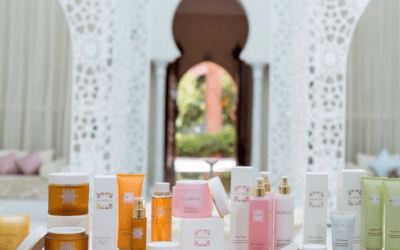
marocMaroc Launches in the US with RED PR
RED PR, is now the US agency of record for marocMaroc, the luxury Moroccan hamman-inspired body care, hair care, and skincare brand.marocMaroc has become a staple in the world’s most exclusive spas, including the Mandarin Oriental Dubai, Four Seasons London, La...
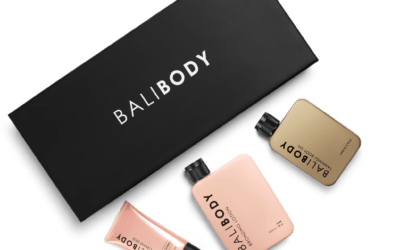
Australian Skincare Brand, Bali Body, Taps RED PR for US Market
RED PR, is now the US agency of record for Bali Body, a top-selling Australian skincare and tanning company. An Australian pioneer in product design and functionality, the company was founded in 2014 by Laura Foley and her husband David Oosterloo when they were living...
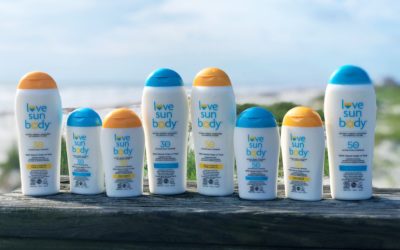
Love Sun Body Launches with RED PR
RED PR helps launch the safest, healthiest 100% natural mineral sunscreen in the US. Love Sun Body is the first and only American sunscreen brand certified by Cosmos Natural and Ecocert. It meets the strict European natural ingredient standards for formulations,...

Introducing the Beauty Industry’s First PR Booster Program for Start-ups
Calling beauty and wellness innovators, creators, and game-changers, RED PR introduces the beauty industry's first Communications Booster Program. It's a one-year marketing communications co-op for ambitious brands committed to success. Through our expertise and vast...
RED PR Ranked as a Top Specialty Firm by the Observer
December 2017, New York NY -- For the third year in a row, RED PR, has been recognized by the Observer as one of the top five beauty PR agencies in New York. "This recognition is a tribute to our talented, nimble team of beauty experts. With a specialty firm like...

5 Rules for Life
Recently interviewed by journalist Amber Katz, RED's founder Julia Labaton shared her 5 rules for life. These were originally published on Amber's awesome blog Rouge18. Age is a mindset. You’re only as old as you feel. Seek and experience wonder that blows your...

RED’s Founder Re-Elected to Board of Directors of PR Boutiques International
Our founder, Julia Labaton, was re-elected to the board of directors of PR Boutiques International. As an active member of PRBI for 10 years, Julia chairs the Marketing Committee where she leads the organization's digital and social media marketing initiatives. The...
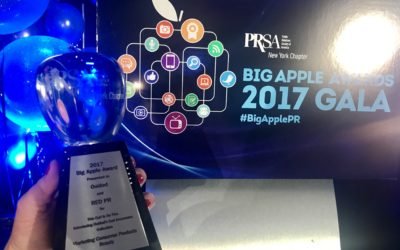
RED PR Wins PRSA Big Apple Award for Ouidad Campaign
Nothing beats that feeling when your team works like mad for a year and WINS a major industry award. RED PR went home from the PRSA Big Apple Awards ceremony with a glistening trophy for our "This Curl is on Fire" campaign for the launch of Ouidad's Curl Immersion...
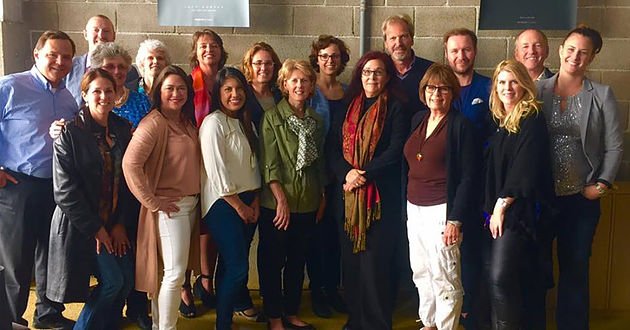
Top 10 Lessons From PRBI 2016: #3 Will Make You Want to Bang Your Head
As a longstanding member and committee chair of PR Boutiques International (PRBI) I make it a priority to attend the annual conference, held this year in San Francisco and hosted by Dave Richardson of Impress Labs. It’s one of the single most valuable parts of...

SIT UP: 5 Tips For Perfect PR Posture by Julia Labaton
Everything I ever read or heard in college did nothing to prepare me for succeeding in the PR business. Does that sound dramatic? My textbooks grew my vocabulary and my professors ignited my awareness, however, much of which I learned about running a successful public...
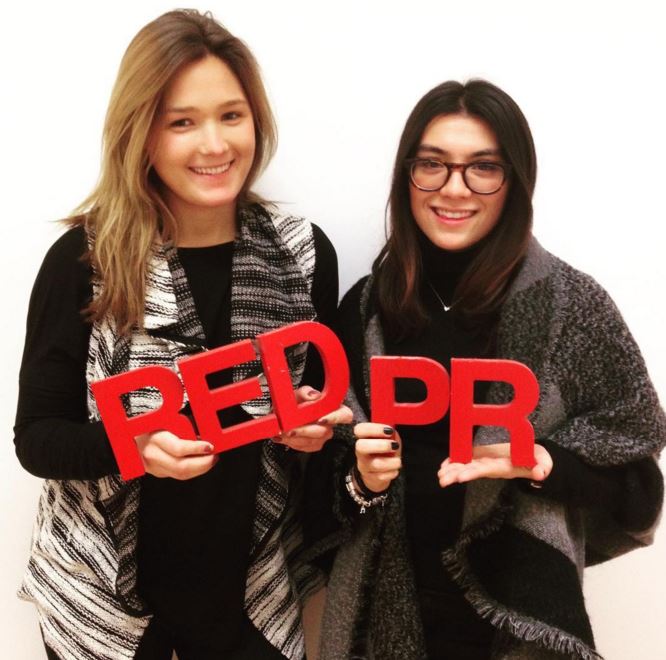
5 Myths of a RED PR Internship (and How Clients Benefit)
Myth #1: You’ll be fetching coffee and making copies I was surprised that by my second day at RED I was already researching projects and tracking media placements. I was working hard and fast and was eager to see some of my creative ideas included in presentations to...
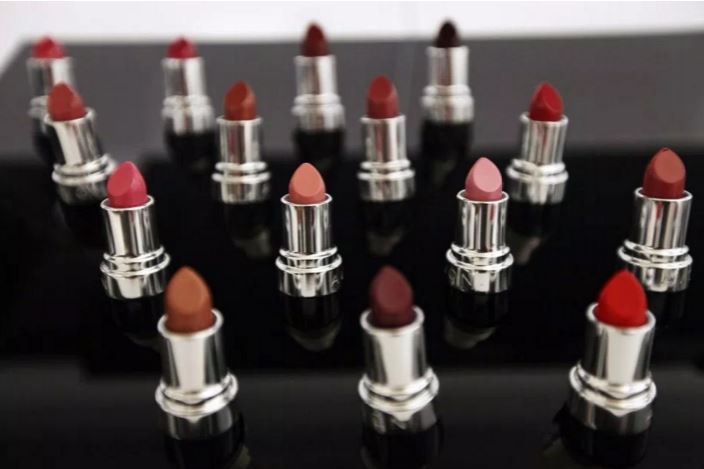
RED PR Recognized Among Top 5 Beauty PR Firms by the New York Observer!
Oh, don't mind us while we're doing cartwheels and back-flips over here. Yes! The New York Observer named us one of the TOP FIVE beauty PR firms in the country! The esteemed Power PR 50 List 2015, ranking America's most powerful agencies and specialty firms by...
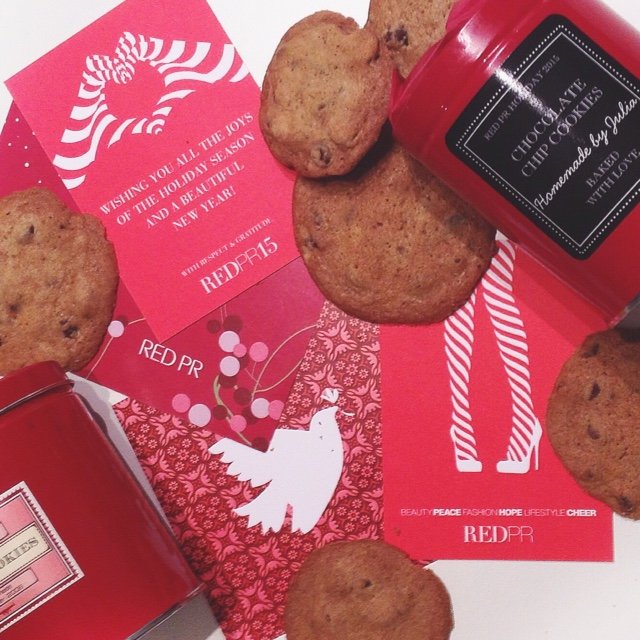
A Look Back at RED’s Sweetest Tradition
As a young girl growing up in Ridgewood, New Jersey with a single dad, Julia's nanny Peggy would whip up a batch of homemade chocolate chip cookies for the neighborhood children once a week. Thin, crispy and addictive, the smell of Peggy's cookies got everyone excited...

Featured Fempreneur Julia Labaton: 6 Lessons Learned After 15 Years as a #GirlBoss
*Reposted from Nancy Laws' Fempreneur column on Huffington Post 11/24/15 Writing the Fempreneur column gives me the opportunity to speak with many inspiring women. Recently, I spoke with a prime example -- Julia Labaton, president of RED PR. I was struck by not only...
Beauty Boss: Meet Julia Labaton, President of Red PR
*Reposted from the article on PR Couture's 'Front Row Fashion PR Interview Series' 11/4/2015 A strategic communications firm specializing in beauty, fashion and lifestyle brands celebrating its 15th year in business, Red PR ensures that senior-level talent is...